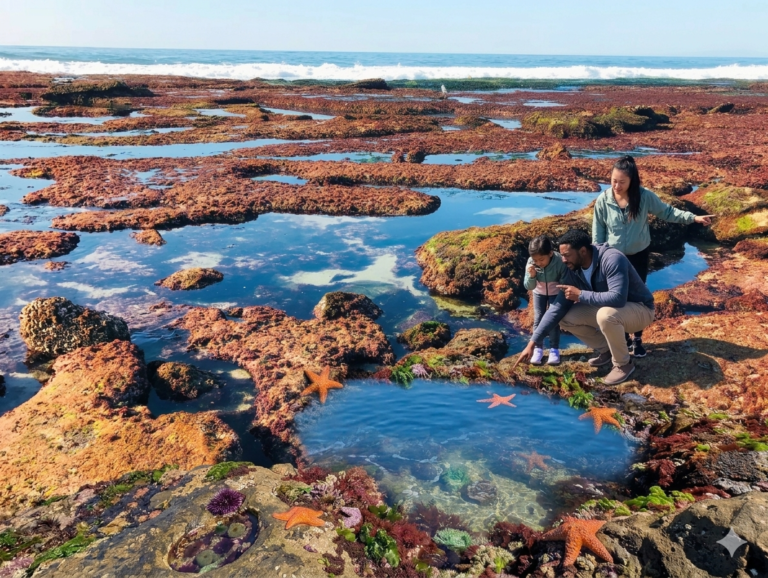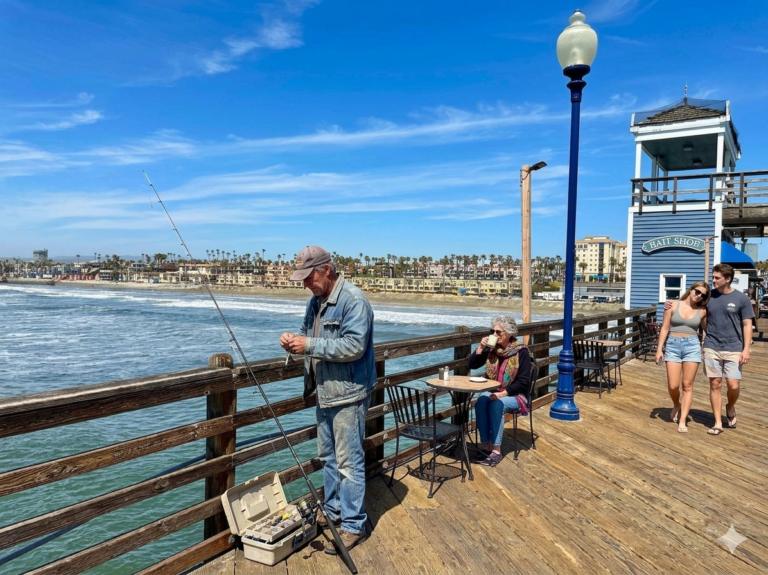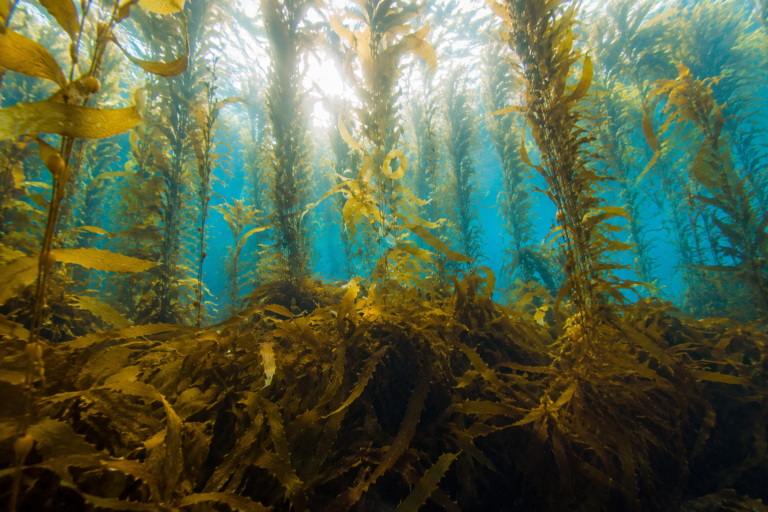
We all think we know our Southern California beaches. We know the best surf breaks, the parking spots that require sheer luck, and exactly which taco shops are worth the detour. But beyond the recreation, our coastline is a fragile, shifting ecosystem that is facing more pressure than ever. If you live here, you’ve likely noticed the changes, from the murky water after a storm to the shrinking stretches of sand, and while the situation is serious, it isn’t hopeless.
The health of our Pacific coast is tied directly to what we do inland. When the heavy rains hit, our urban landscape acts as a giant funnel, dragging trash, motor oil, and fertilizer through storm drains and straight into the ocean. This “first flush” is a major culprit behind poor water quality and those disruptive algae blooms that keep us out of the water. While we can’t stop the rain, we can be smarter about our habits. Simple shifts, like opting for native, drought-tolerant plants in our yards, drastically reduce the need for the chemical fertilizers that eventually find their way to our reefs.
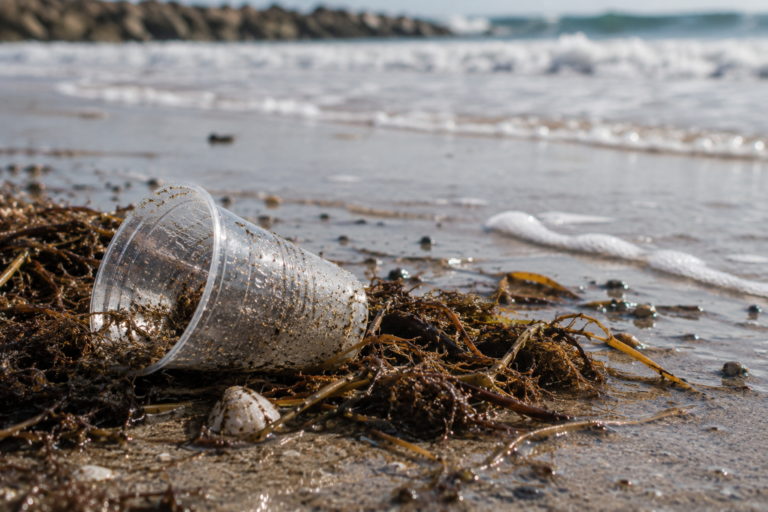
The plastic problem is another beast entirely. It’s easy to focus on the bottles and bags we see floating in the surf, but the real threat is often invisible. Microplastics, tiny fragments smaller than a grain of sand, are now embedded throughout our coastal environment, moving up the food chain and into the marine life that defines our region. Moving away from single-use convenience isn’t just an environmental talking point anymore; it’s a necessity for keeping our local waters habitable for the species we share them with.
Even our own presence can be a stressor. Our local sea lions and birds are often at their breaking point, especially during breeding seasons. When people get too close for a photo, they force these animals to burn precious energy they need for hunting and survival. Giving them space isn’t just about being polite, it’s about respecting the boundaries of an ecosystem that is already being squeezed by development and rising temperatures.
Despite these challenges, Southern California has a massive advantage: a community that actually cares. You don’t need to be a marine biologist to contribute to the solution. Whether it’s participating in a beach cleanup, using citizen science apps to track coastal shifts, or simply committing to the “pick up three” rule whenever you walk across the sand, your daily choices have a compounding effect. We are all stewards of this coastline, and by staying observant and intentional, we can ensure that our beaches remain the gold standard for generations to come.