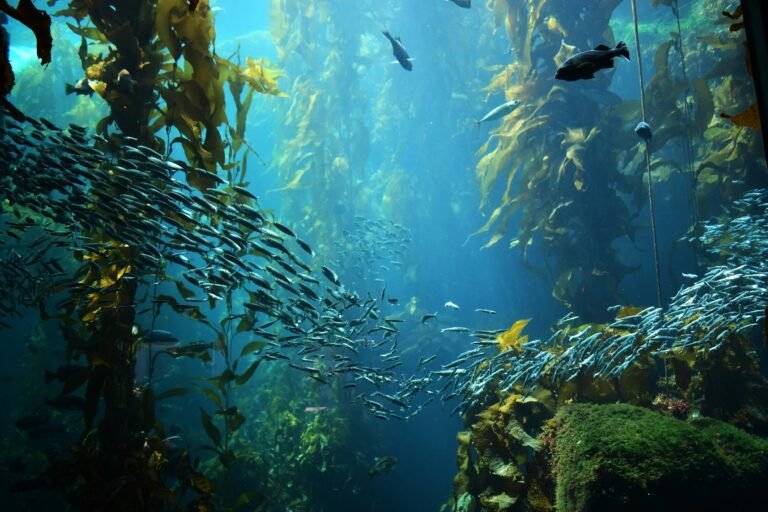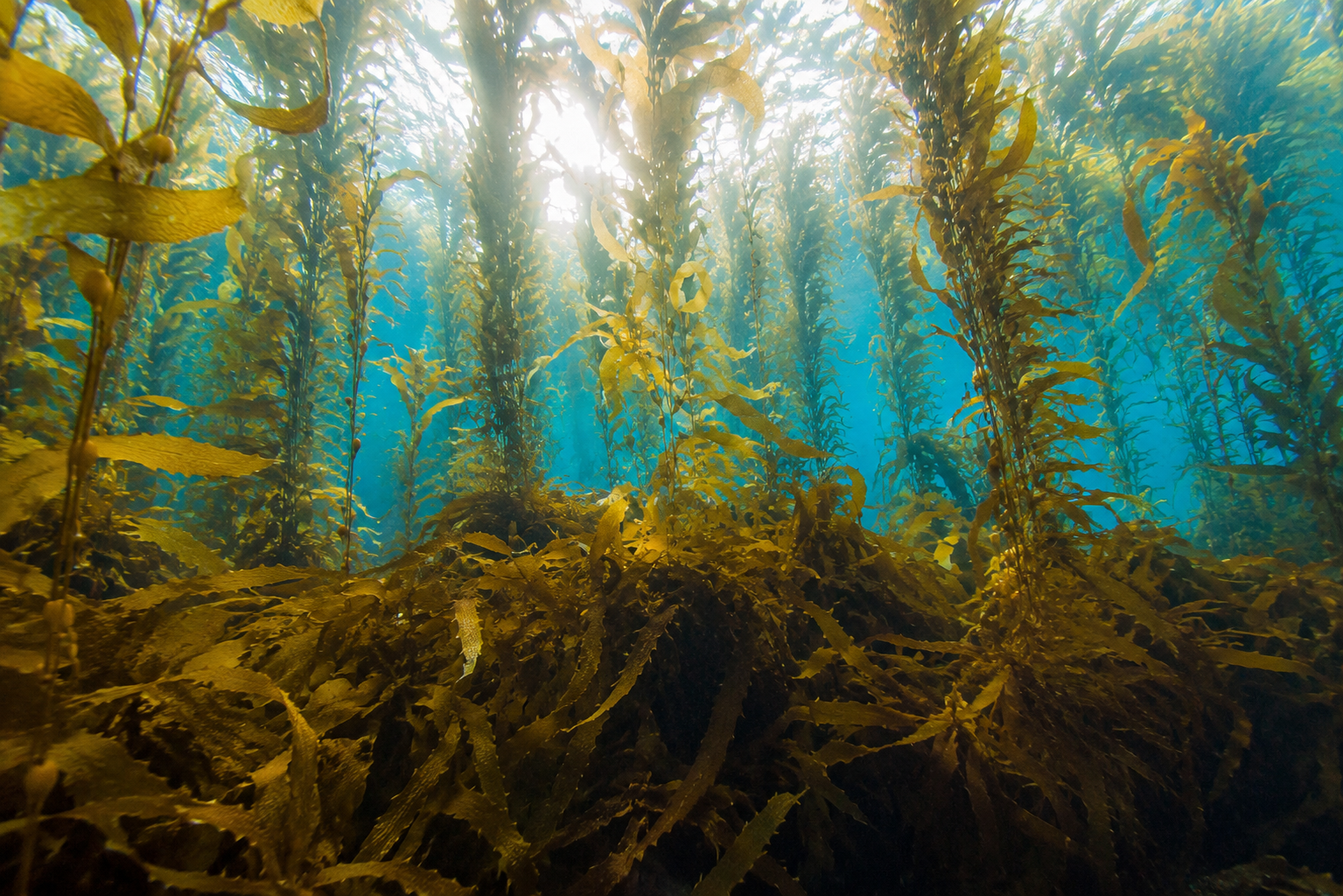
California’s coastline is a massive, high-stakes ecosystem, and as of the 2026 California Coast and Ocean Assessment (found at https://opc.ca.gov/report/), we have a clearer view than ever of its current health. The state’s 124-site Marine Protected Area (MPA) network covers approximately 16% of all coastal state waters, acting as a crucial sanctuary for marine life. Recent monitoring confirms that these protected zones are performing exactly as intended: fish populations in these areas are consistently more abundant and stable compared to unprotected reference sites. In Southern California alone, these protected areas cover roughly 356 square miles, providing a necessary buffer against the pressures of high human activity and climate-driven migration.
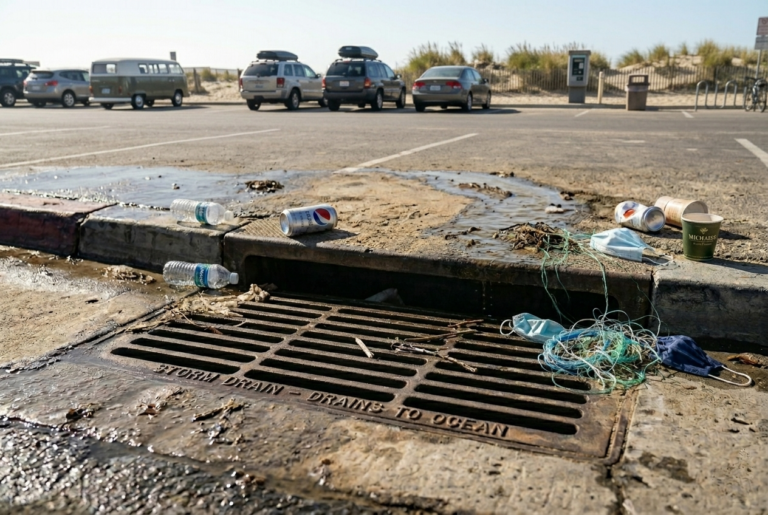
Despite these conservation wins, water quality metrics reveal the ongoing strain caused by our urban environments. The 2025–2026 Heal the Bay Beach Report Card (available at https://healthebay.org/beach-report-card/) highlights that while 91% of California beaches earn an “A” or “B” grade during dry summer weather, that number drops to 61% during storm events. This decline is directly tied to aging stormwater infrastructure and urban runoff, which funnels pollutants from streets and agricultural lands into our waterways. While the state’s open-space watersheds generally report high water quality, the levels of fecal indicator bacteria spike as these waterways transit through developed, urbanized stretches, underscoring a persistent infrastructure challenge that no amount of individual beach cleanup can solve alone.
The plastic crisis is equally stark. Recent data from the 2025 Marine Debris Report published by San Diego Coastkeeper (accessible at https://www.sdcoastkeeper.org/2025-marine-debris-report-highlights-the-need-to-address-plastic-pollution/), which tracked nearly 20,000 pounds of debris removed from local shorelines, identifies plastic fragments as the most common pollutant, now accounting for 25% of all items collected. This is a significant shift, as cigarette butts, previously the top-ranked item, have been overtaken by fragmented plastics. These fragments are not just surface-level trash; they are the primary source of microplastics that now permeate our marine ecosystems. With global plastic production increasing by approximately 70% since 2005, the scale of the material entering our coastal waters is immense.
However, the path forward is increasingly data-driven. The 2026 Coast and Ocean Assessment confirms that while 72% of monitored fish species in California are stable or growing, we still lack sufficient long-term data for about 75% of all species in our waters. This “data gap” is precisely why state initiatives are prioritizing expanded monitoring and connectivity studies. We are no longer just guessing at the health of the Pacific; we are measuring it. For those of us living on the coast, the data suggests a clear reality: while our marine protection networks are effectively fostering resilience, our most urgent work lies in the watersheds, addressing the infrastructure that carries our urban footprint directly into the surf.