Southern California’s coastline is often viewed through a lens of recreation, but the 2026 California Coast and Ocean Report, the state’s first comprehensive, science-based assessment in history, reveals a more complex picture. While the state’s marine ecosystems are generally considered healthy, our coast sits at a critical intersection of resilience and pressure, with the data highlighting exactly where our daily habits collide with environmental health.
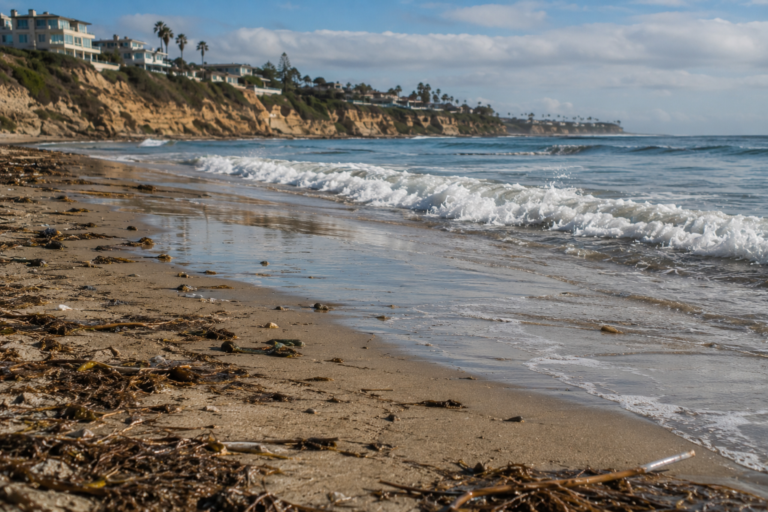
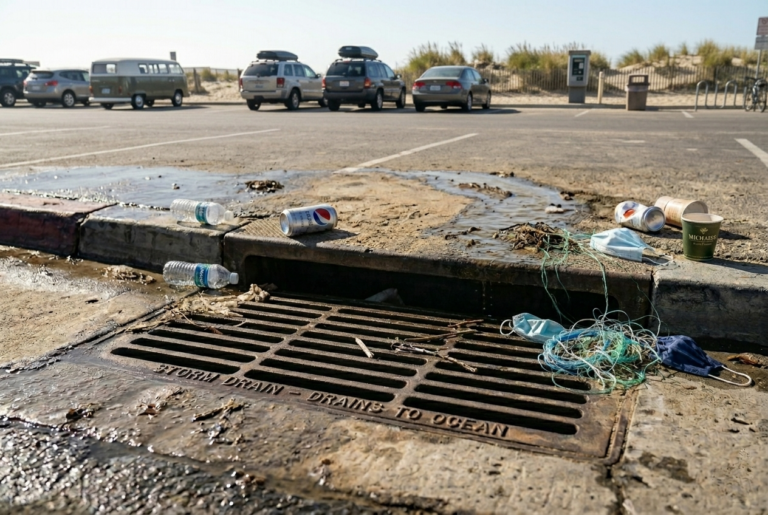
Water quality remains the most visible, yet fluctuating, challenge. According to recent reports tracking bacterial pollution, while 91% of California beaches maintain A or B grades during dry summer conditions, our infrastructure struggles significantly during wet weather. Statewide, beach grades during storm events have dipped to 61%. In Southern California, this trend is pronounced; urban runoff, funneling pollutants through aging stormwater systems, continues to be a primary driver of water contamination. This isn’t just an aesthetic issue, it is a public health reality, with research consistently linking river discharge after rainfall to increased bacteria levels at surrounding beaches.
The issue of plastic pollution has also evolved beyond what we can see with the naked eye. While beach cleanups focus on macro-debris, scientific research from institutions like Scripps Institution of Oceanography has highlighted the staggering prevalence of “mini-microplastics.” Some studies suggest that the ocean may contain up to a million times more plastic particles than traditional net-based sampling previously indicated, with the highest concentrations often found closest to the coast due to land-based runoff. These particles, often smaller than a human hair, are being ingested by marine life at the bottom of the food chain, creating a pathway for synthetic materials to move through the ecosystem.
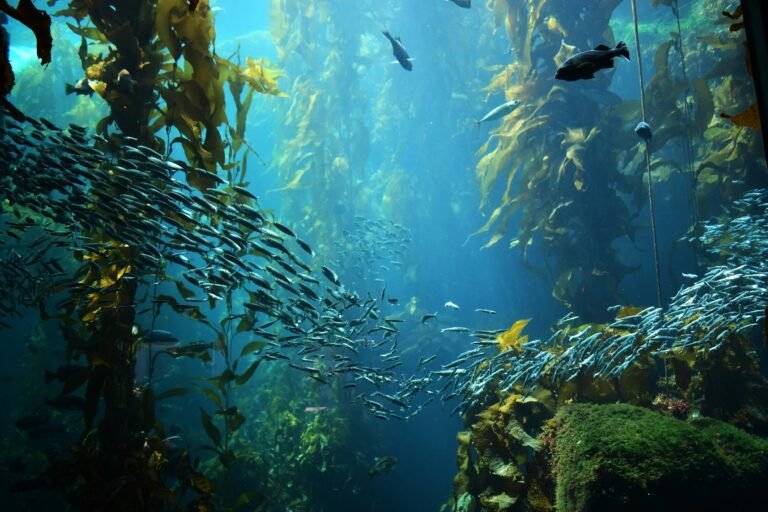
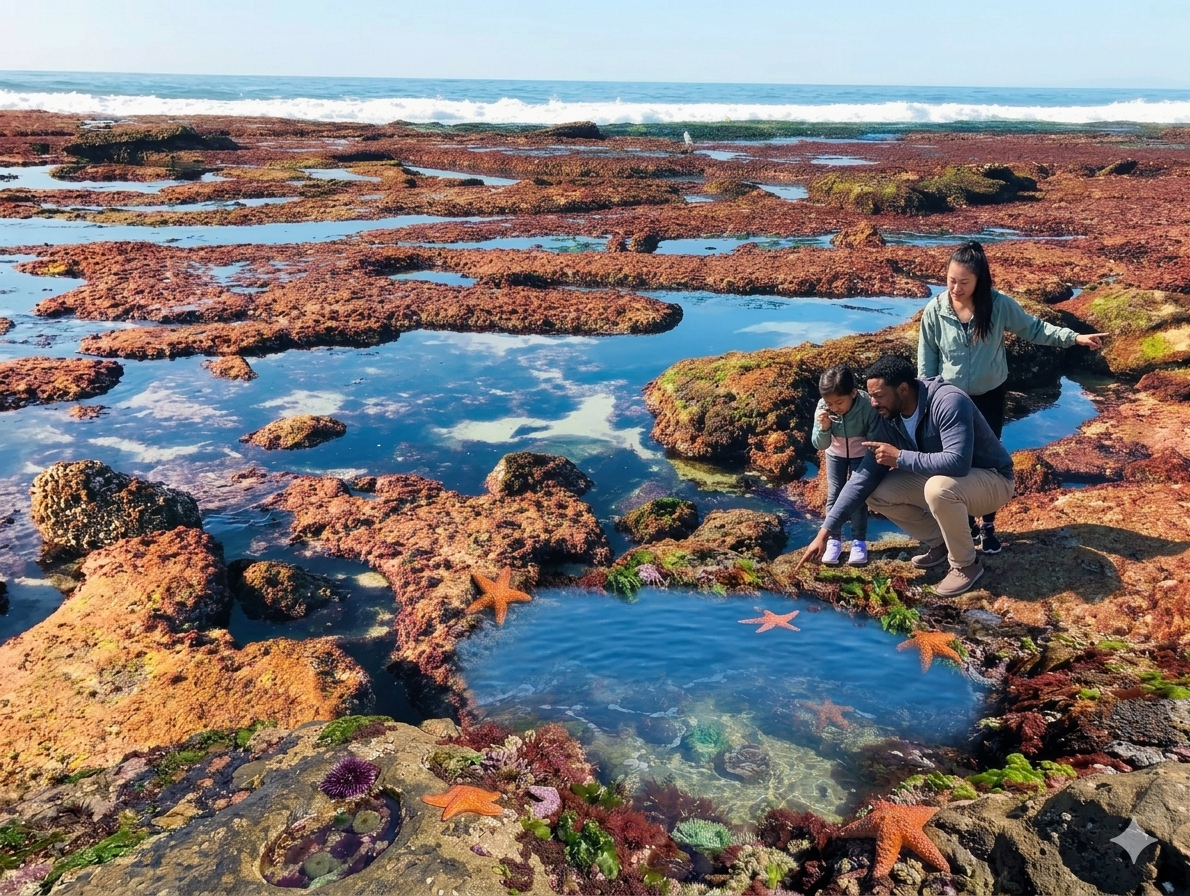
Despite these pressures, the data also provides evidence that conservation works. California’s network of Marine Protected Areas (MPAs) has become a benchmark for successful management. Decadal reviews show that fish populations within these protected zones are consistently larger and more abundant than in non-protected reference sites. In Southern California, where these protections have been in place longer than in many other regions, the positive impact on biomass and species recovery is especially evident.
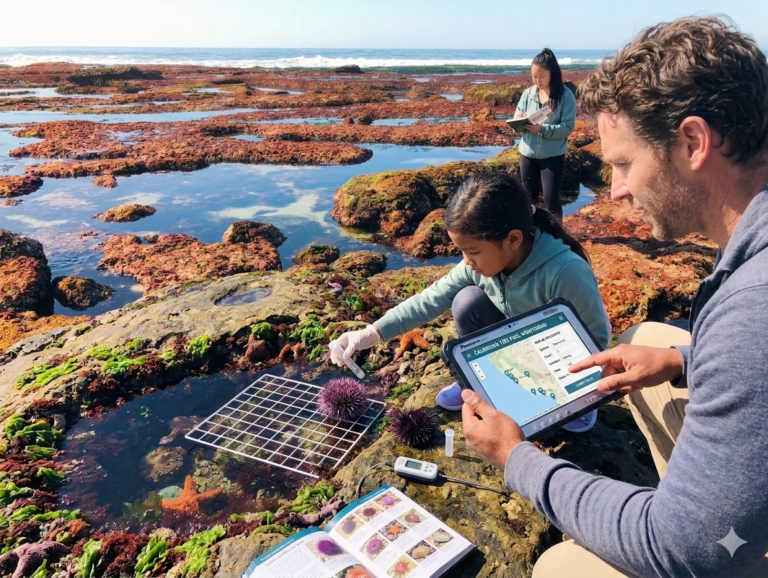
The takeaway from the state’s current assessment is that we are in a transition phase. The “pressure and progress” narrative is backed by hard evidence: climate change is intensifying coastal stressors, but state-led, science-based interventions, from nature-based habitat restoration to protected area management, are proving effective. For those of us living along the coast, the path forward requires moving past anecdotal observations and engaging with the reality of our local watersheds and protected zones. Protecting the Pacific is no longer just about keeping our favorite beach clean; it is about understanding how our inland actions ripple into a complex, vital ecosystem.