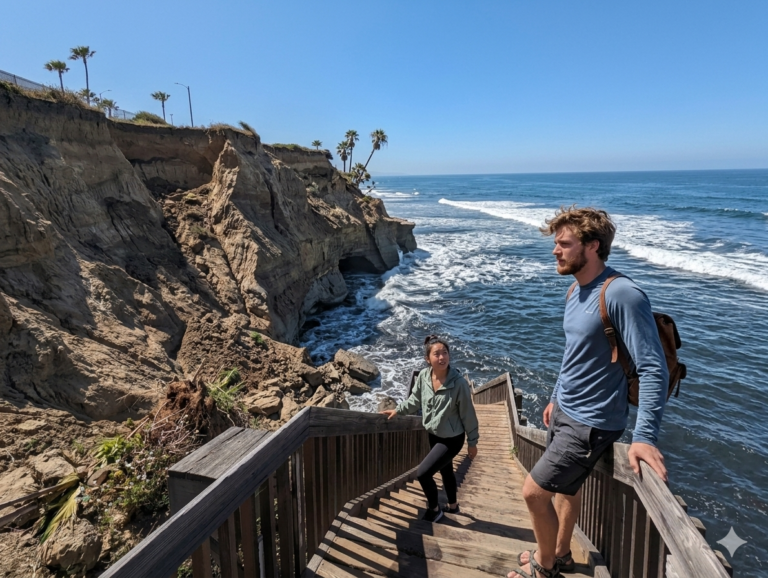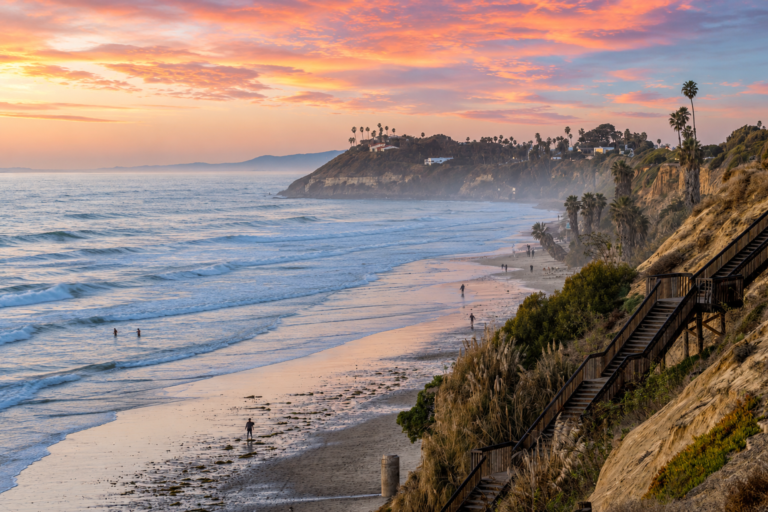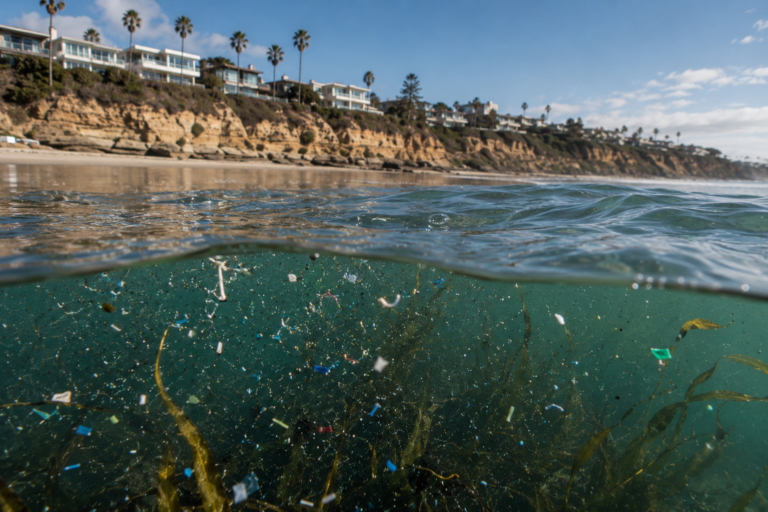
I’ve been fishing off the Oceanside pier since I was nine years old. My grandfather taught me out there, and the two things he always said were: bring more line than you think you need, and the yellowtail run when the water turns blue.
He was right, for most of my life. The water would shift from that murky green-gray to a clean cobalt sometime in late summer, and within a week the yellowtail would show. You could set your calendar by it.
I still fish the pier. But I stopped setting my calendar by anything about ten years ago.
The yellowtail still come. The bonito still come. But the timing is off, the windows are shorter, and some of the species we used to see reliably have gotten genuinely hard to find. At the same time, I’m catching things I never caught as a kid. Warm-water fish that used to require a boat trip to Baja. Species that have no business being that far north.
The ocean didn’t empty out. It reshuffled.
This is what climate-driven range shifts actually look like from a pier with a rod in your hand. It’s not a disaster movie. It’s a slow, strange rearrangement that’s easy to miss if you aren’t paying close attention over many years.
The 2026 California Coast and Ocean Report confirms what a lot of us who spend time on the water have been quietly noticing. Warming sea surface temperatures are pushing cold-water species northward and deeper, while opportunistic warm-water species expand into territory they couldn’t previously survive in year-round. For recreational fishers, that means adaptation, not necessarily loss. But for the broader food web, it’s more complicated, because the animals that depend on specific prey in specific places don’t always adapt as cleanly as a fisher switching to a different lure.
What I’ve learned from years of watching this pier is that the ocean is a system, not a collection of individual species. When the anchovies move, the pelicans move. When the pelicans move, you know something changed before you even check the water temperature.
The birds are faster than the data.
You don’t need to be a marine biologist to be a useful observer. If you fish, surf, kayak, dive, or even just walk the same stretch of beach regularly, you are accumulating information that science genuinely needs. There are several community science programs, including the California Collaborative Fisheries Research Program, that let recreational fishers log their catch data in ways that feed real research.
Log your catches. Note the species, the date, the water color if you can describe it. It takes two minutes and it matters more than you’d think.
The ocean my grandfather taught me to fish is not quite the ocean my kids are fishing now. That’s a real thing, worth acknowledging. But the pier is still there. The fish are still there. And if we pay attention, we can help the people doing the hard work of figuring out what comes next.