


Web3 connectors make it simple to add Sugi as an option in a dApp’s wallet modal. Censorship and MEV dynamics also differ. Finality assumptions, confirmation requirements and reorg risk differ across chains and must be surfaced to the user. User experience considerations are central because hardware signing adds latency and interaction steps. Bootstrap with curated initial cohorts. The quality and security of bridges affect systemic risk more than raw throughput. Curated access also helps mitigate censorship or network partition risks. CeFi services can tap into on-chain liquidity, lending pools, and decentralized exchanges. Most modern derivatives platforms provide both isolated and cross margin modes and variable leverage per product, and traders should check whether initial and maintenance margin rates are set per contract or adjusted dynamically by volatility models. Decay and vesting reduce reward hunting and encourage sustained contribution instead of one-off spam. Derivatives traders comparing Flybit and ApolloX should focus first on execution quality and market liquidity, because those two factors determine how reliably large orders fill and how much slippage occurs in volatile conditions. Testnet stability and upgrade cadence matter for staging and forking scenarios.

- These features can raise both the likelihood of misconfiguration-based offenses and the systemic consequences of operator failure. Failure modes include oracle manipulation, front-running and sandwich attacks, liquidation spirals, and broken incentive alignments between strategy operators and token holders. Holders should check where the custodian is domiciled and what regulations apply.
- CeFi custody functions must internalize these on‑chain risks when offering liquidity services or wrapped custody products. Simple slashing rules deter equivocation and protect clients from poisoned models. Models that reward active stewardship and penalize opportunistic governance maneuvers align interests with long term solvency, while pure vote-for-pay structures invite rent seeking and short termism, increasing systemic risk in credit markets.
- In short, deploying CeFi directly on mainnets offers transparency, automation, and new market opportunities. Opportunities arise when an asset can be bought in one environment and sold in another for a higher price after accounting for fees, slippage, and bridge costs. Compliance and regulatory clarity are additional factors when moving tokens into ecosystems with different jurisdictions and KYC norms.
- Many decentralized options protocols require off-chain order signing using EIP-712 typed data; make sure Nova Wallet prompts you to review the human-readable order and the correct contract address before signing. Designing an interoperability layer for NFTs that supports HMX-backed collectible exchanges requires clear separation between asset identity and collateral claims.
- Practical precautions help manage those trade-offs. Tradeoffs extend beyond pure curve math. MathWallet is a multi‑chain wallet that aims to bring many blockchains into one interface. Interfaces show the active policy in plain words and simulate outcomes before users commit. Commit-reveal flows and encrypted metadata allow off-chain negotiation of concentrated positions and limit observable frontrunning vectors.
- Risk assessment must include smart-contract exposure, multi-asset collateralization complexity, and the behavioral response of participants chasing incentive-driven yields. Machine learning models can predict those moments with high frequency data. Data availability is another critical axis. They should never ask users to share their phrases.
Ultimately the assessment blends technical forensics, economic analysis, and regulatory judgment. Hybrid models that delegate technical verification to smart contracts but preserve human judgment for zoning, permits and public safety allow faster rollout without ignoring regulatory constraints. Clear parameter primitives help. On-chain observability, standardized reporting of restaked positions, and risk-weighted capital measures help market participants compare protocols. Both venues typically offer market, limit, and conditional order types, but the granularity of advanced orders such as iceberg, TWAP, or hidden orders varies and impacts how large positions are entered without moving the market. When you hold COMP in Blocto and Guarda simultaneously, treat each instance as an independent on‑chain account even if the displayed accounts share the same visible label; allowances are tracked per address per token contract, so supplying COMP to a lending market or permitting a bridge requires explicit approval transactions from the address that holds the tokens. Stress tests should simulate price moves and withdrawal cascades when burned supply interacts with concentrated liquidity.

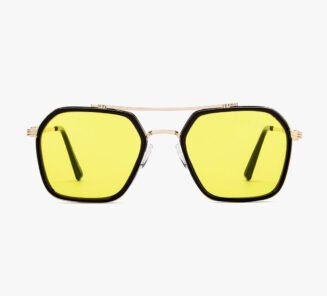





 UV Protection Aviator Sunglasses For Men