origin
process
commitment
origin
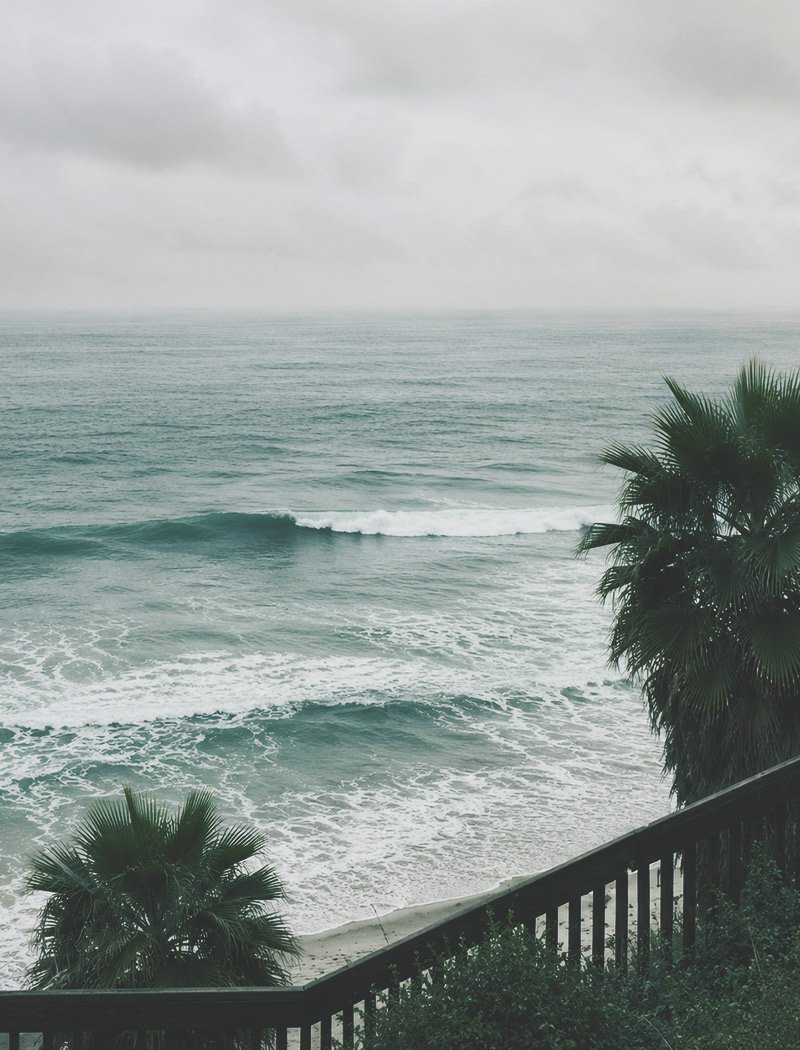
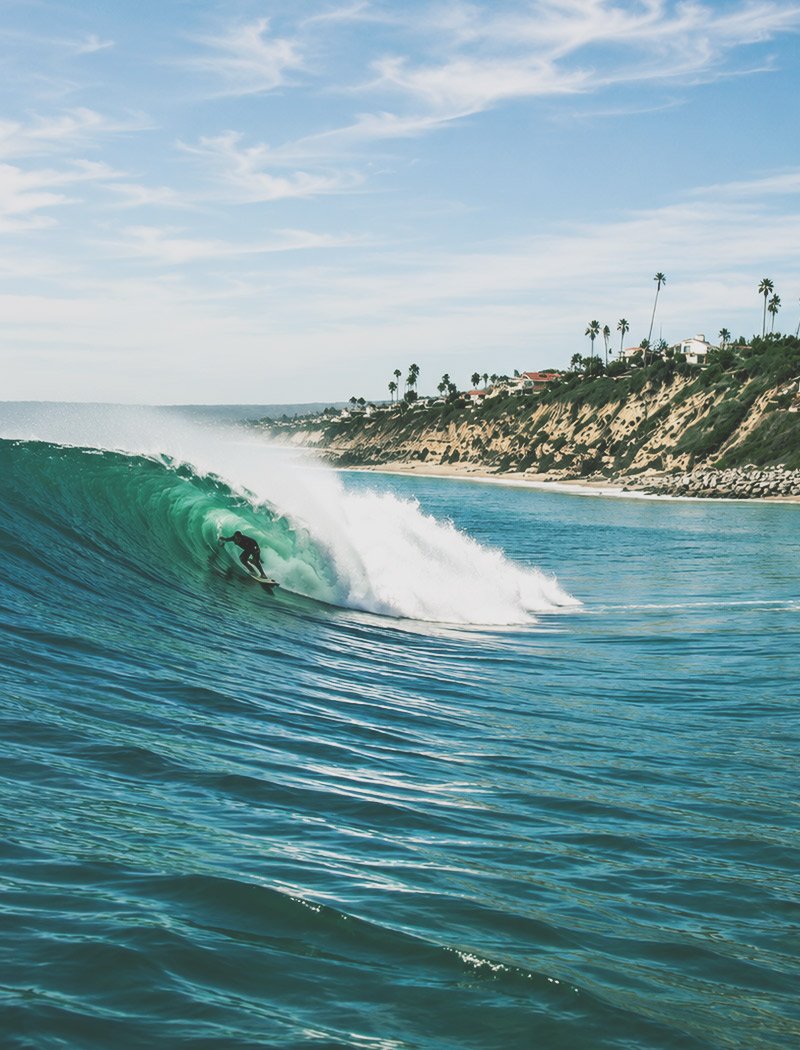
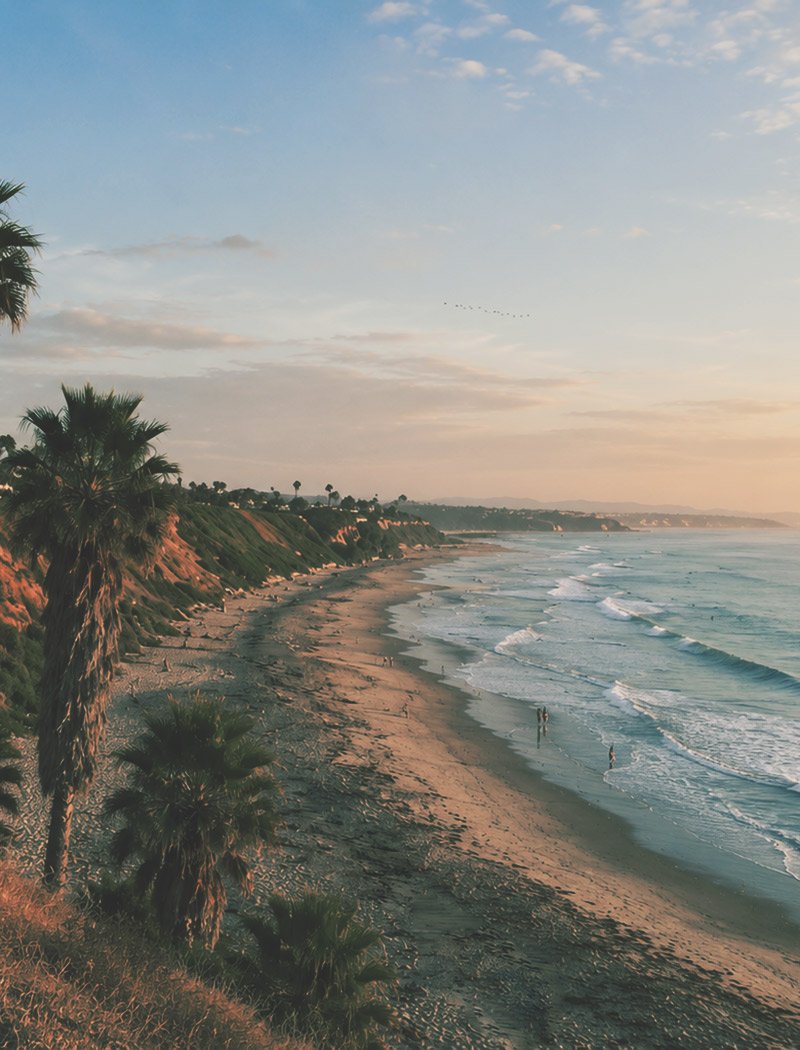
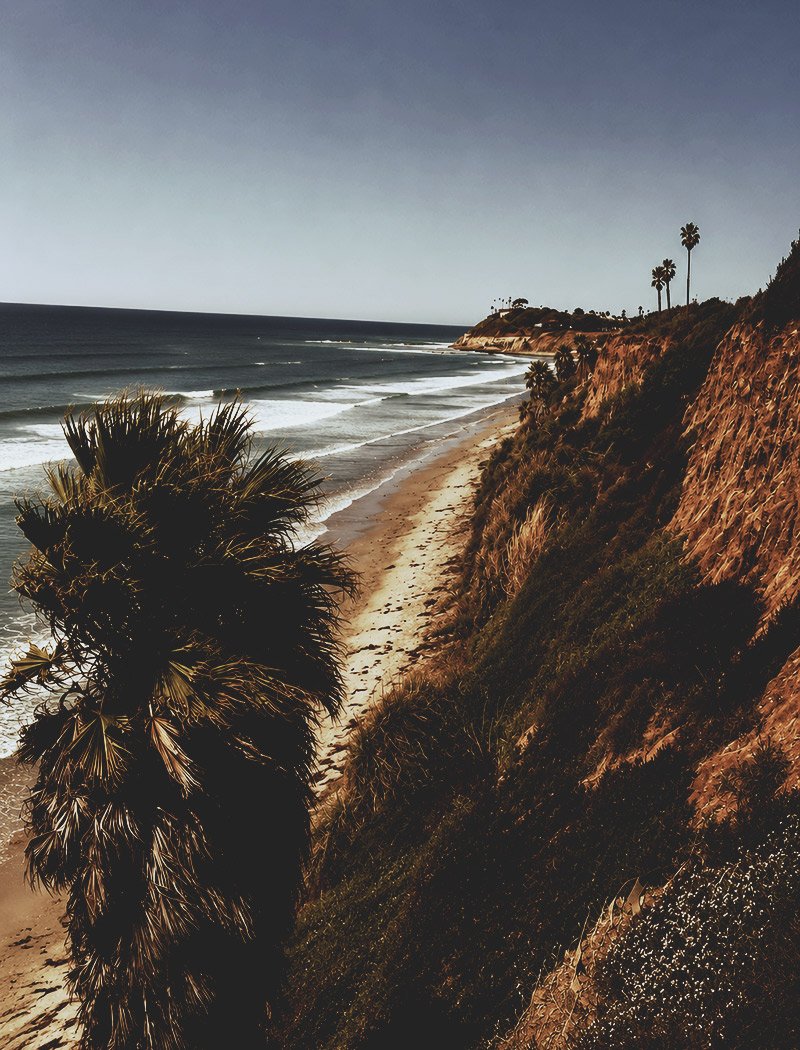
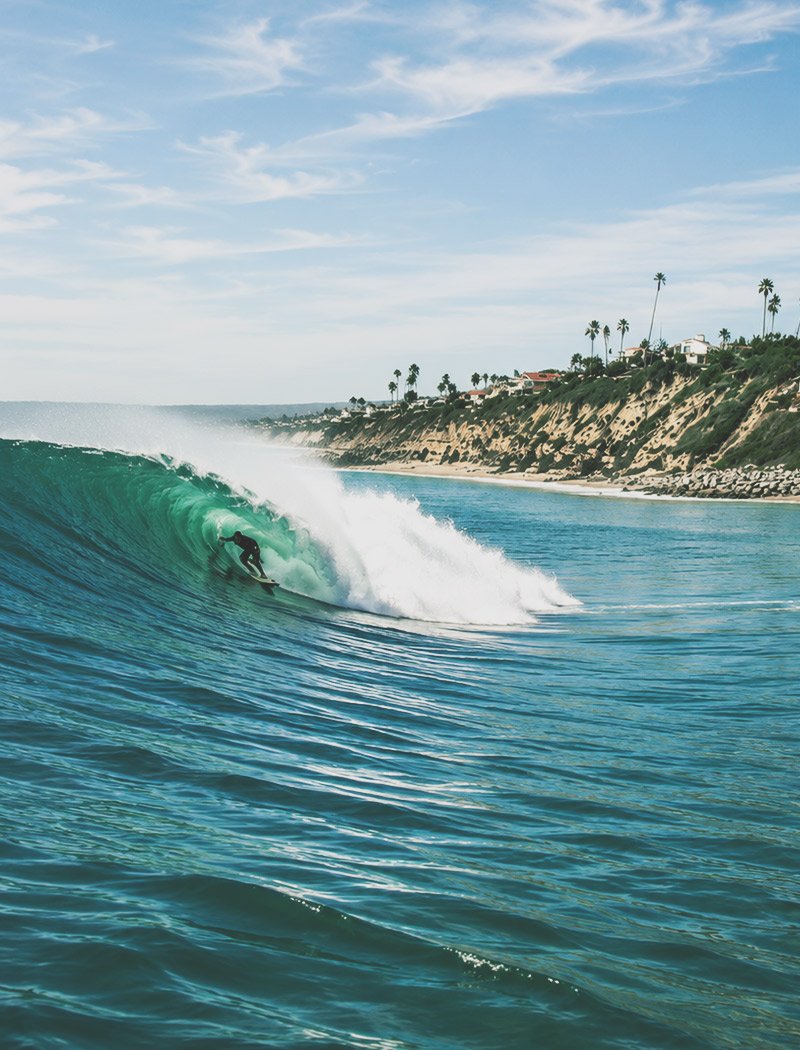
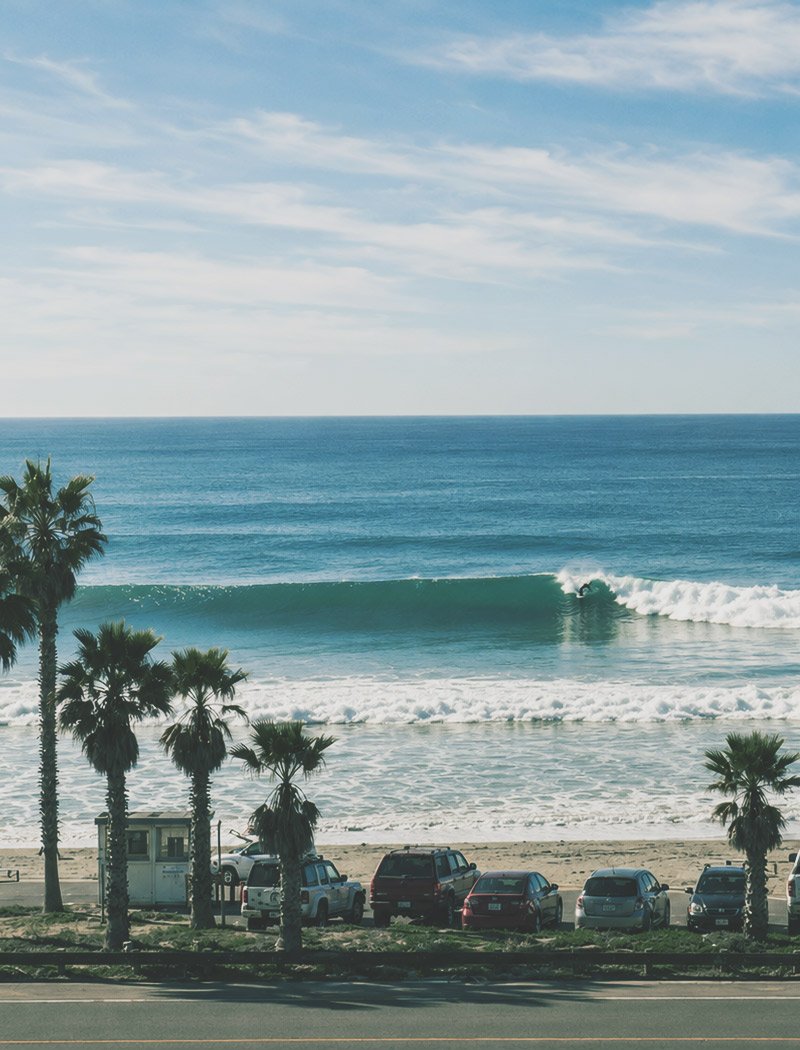
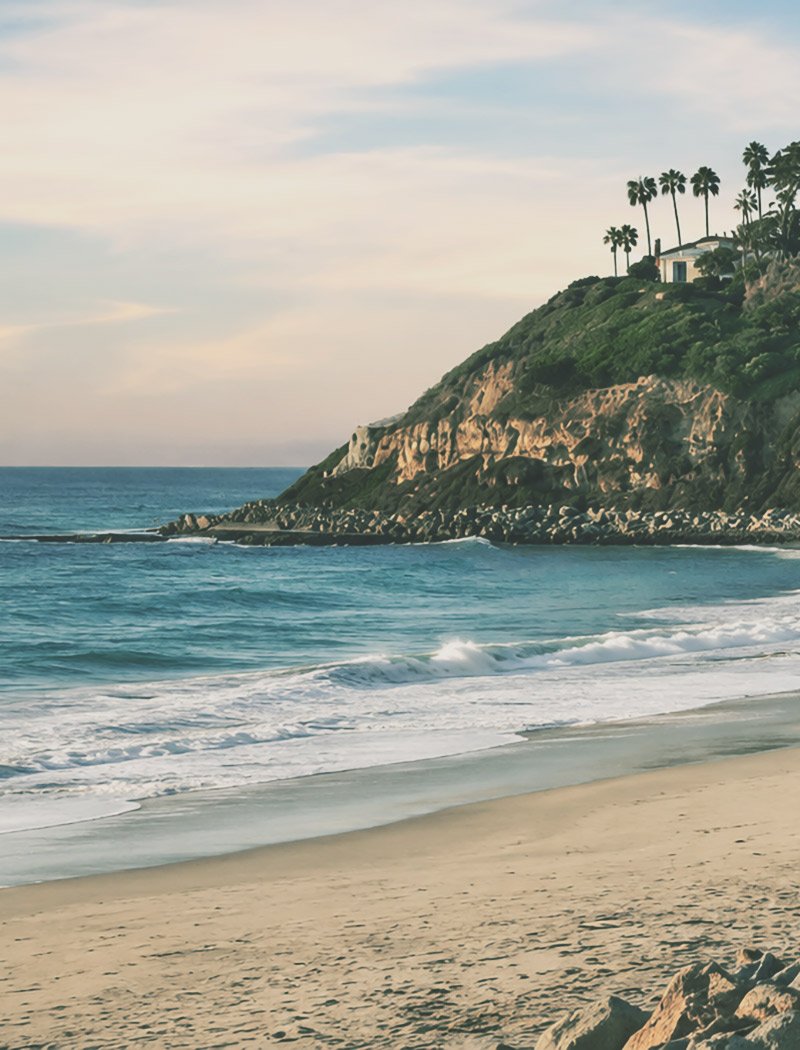
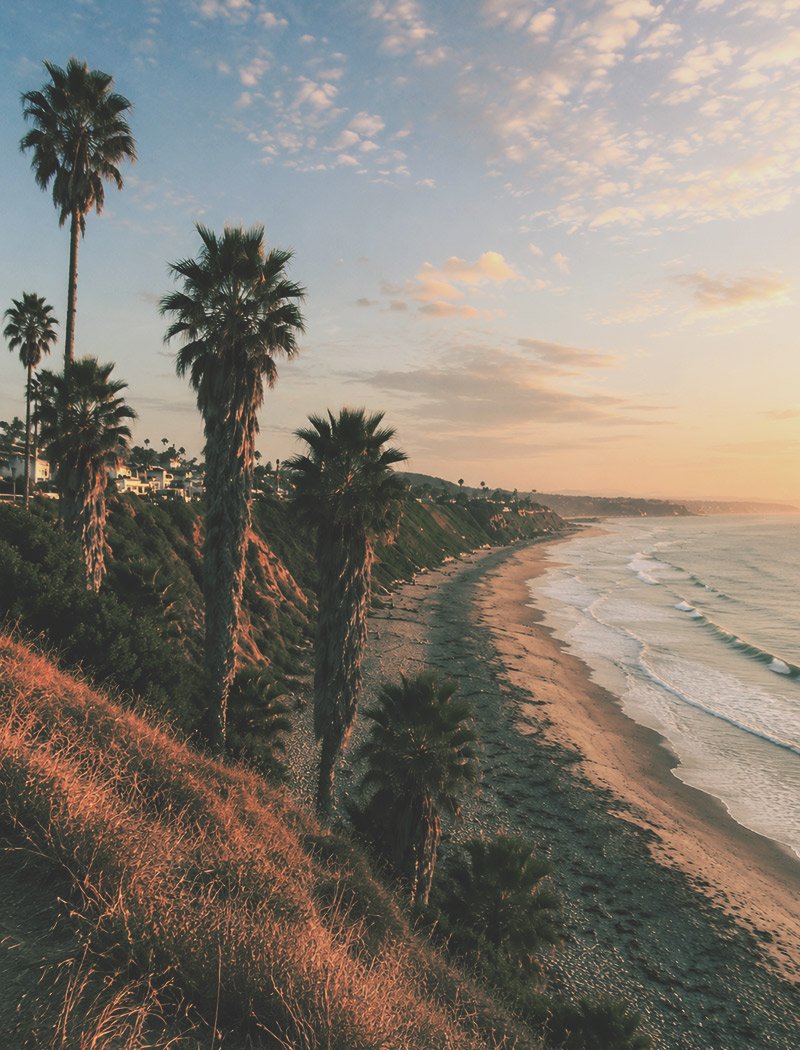
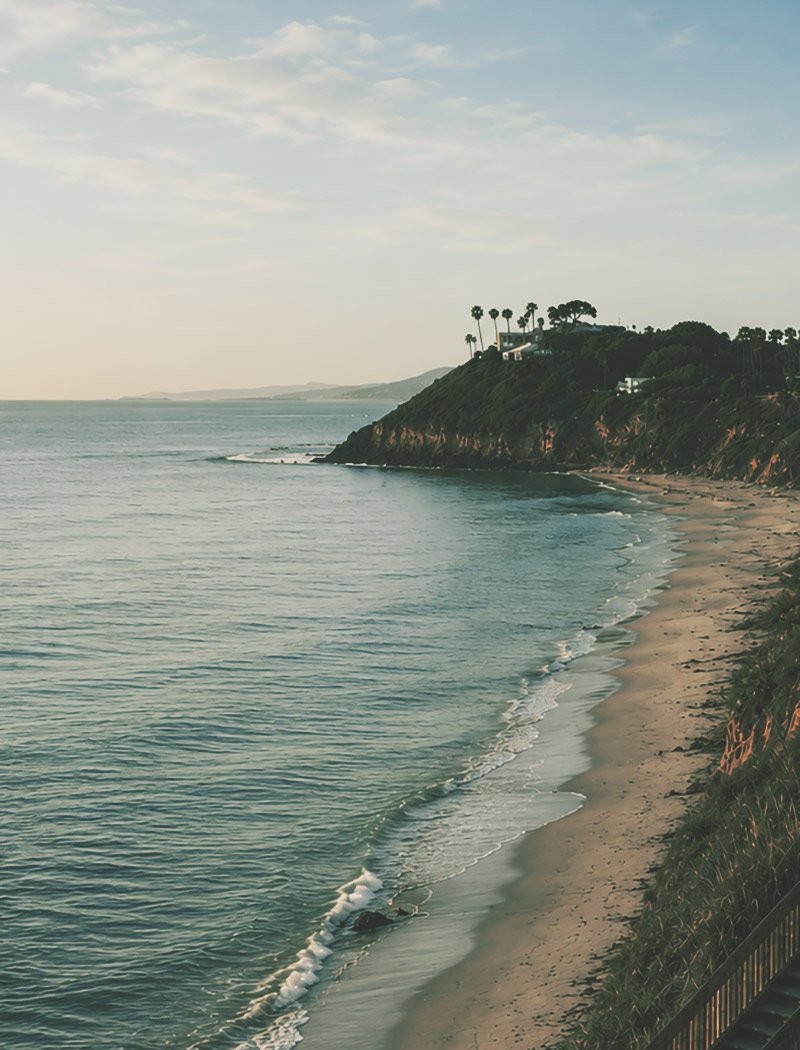
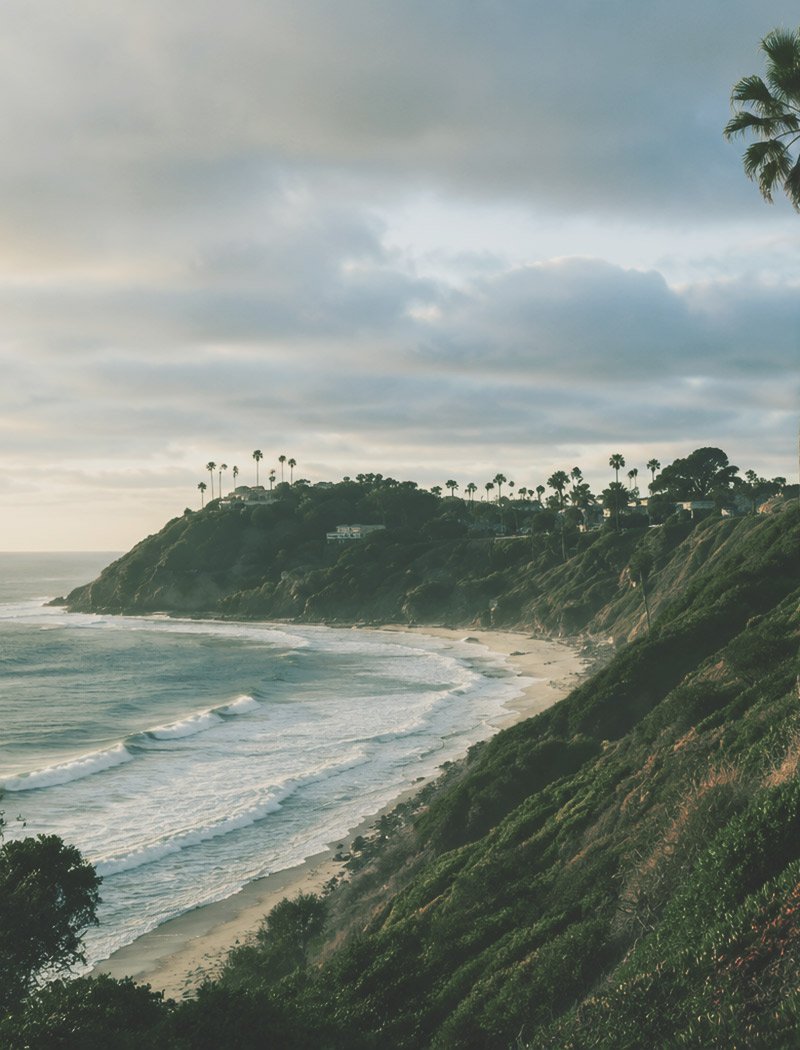
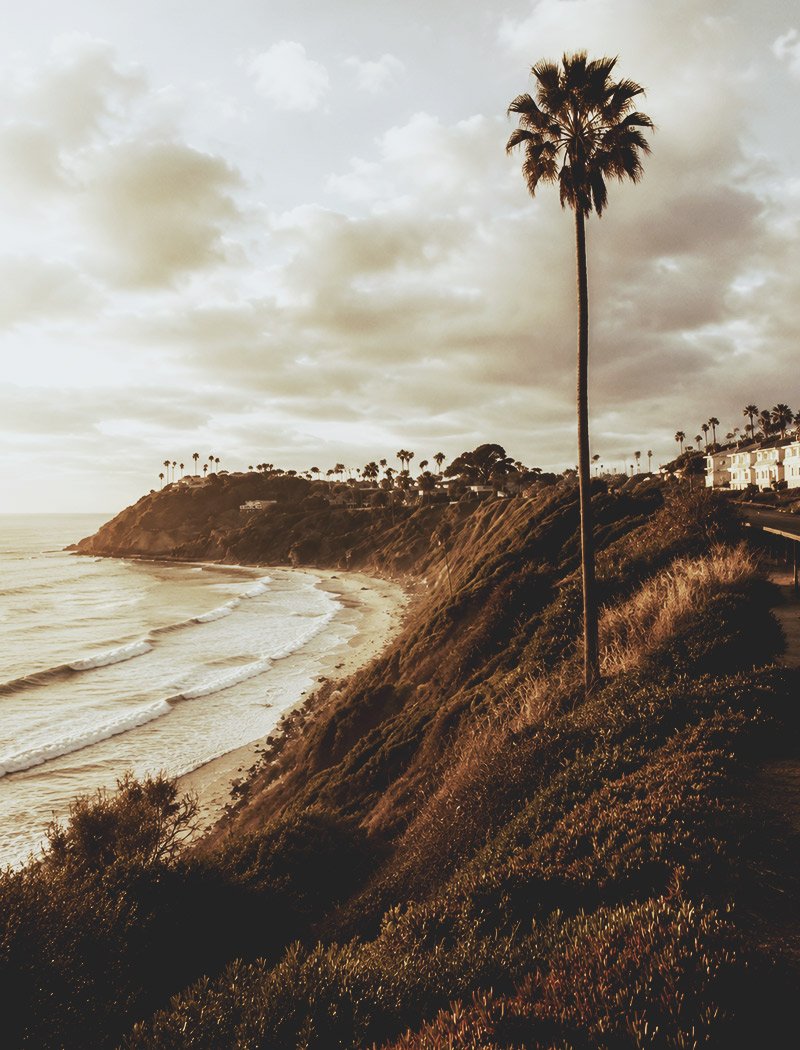
The 72, what is that? The 72 stands for the actual 72 miles
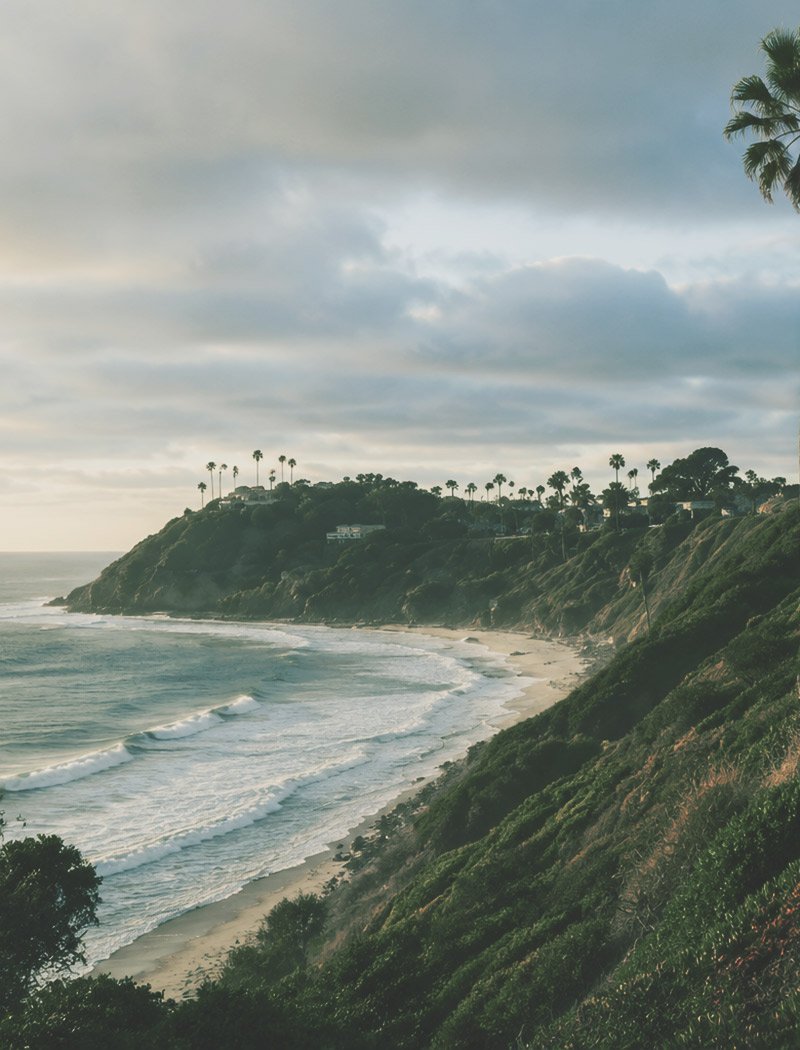
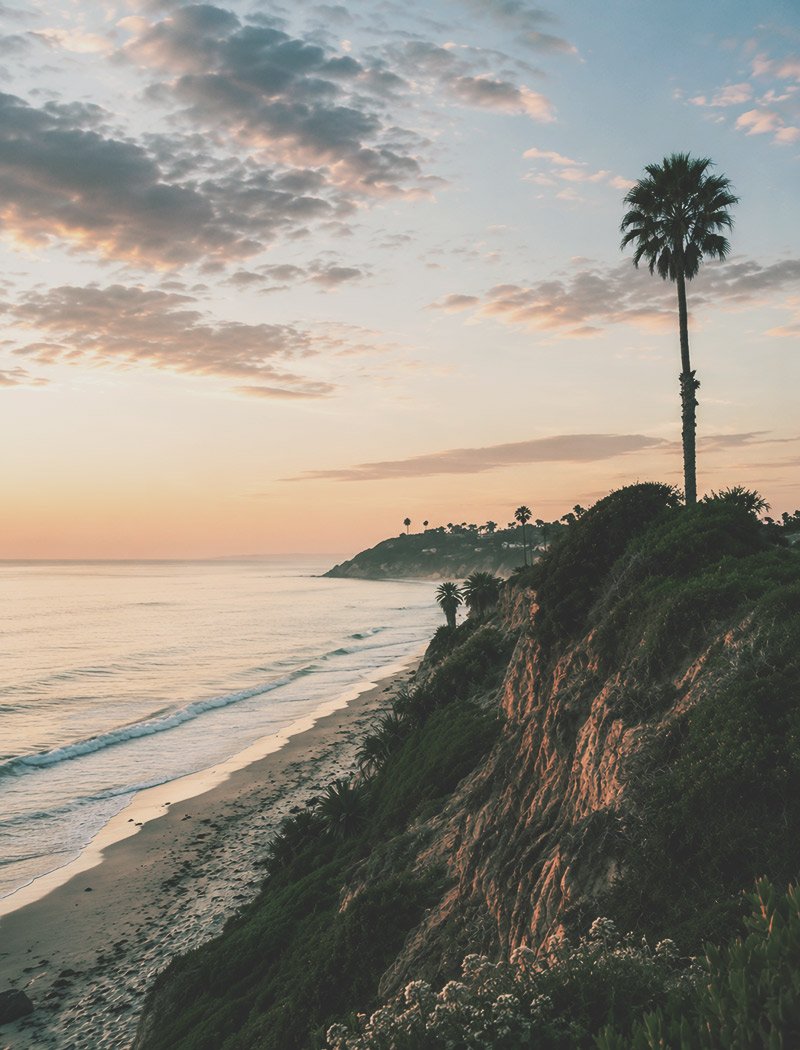
of San Diego Coastline. We consider the coastline and the
oceans themselves as something worth protecting and
worth fighting for in a significant wy. With that in mind,
we are a group of creatives, artists, and unique individuals
brought together by shared values. We have a deep
connection to coastal culture, independent creativity, and
the belief that good things are built slowly.
With that passion for creating things as well the bodies of
water that inspire us, we figured we could do something
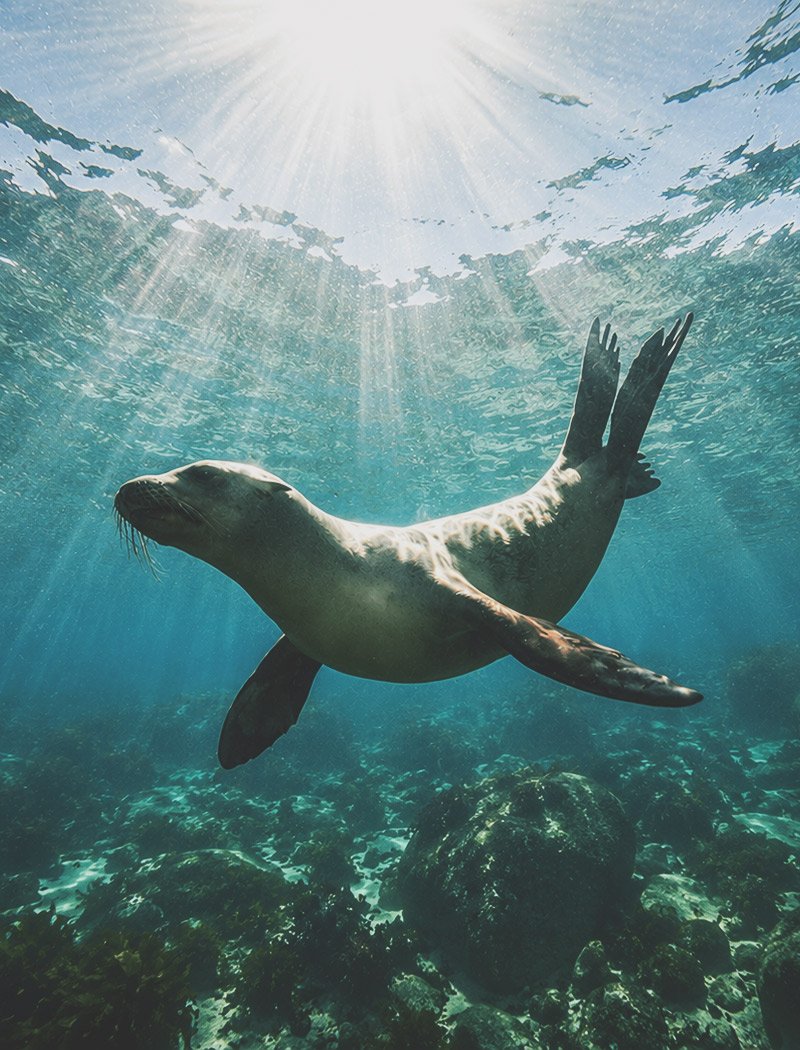
and contribute a portion of what we make towards ocean
conservancy as well as some unknown small artists.
We want to work with students in schools to promote
awareness and potentially raise money for this cause.
This brings us to our slogan of Art+Pupose=Product™ It is
a pretty simple idea: products should feel like they were
made for a reason, goods should feel like actual people
made them.
Everything starts with this simple number. That is also the
percentage of our planet covered by water.
The standard chunk of Lorem Ipsum used since the 1500s is reproduced below for those interested. Sections 1.10.32 and 1.10.33 from “de Finibus Bonorum et Malorum” by Cicero are also reproduced in their exact original form, accompanied by English versions from the 1914 translation by H. Rackham.
process
When starting out with a certain intention, we created a distinct
logo shape that took on an obscure German word of veschen.
Veschen is the quiet, sustained commitment to protecting
a natural ecosystem, especially one that operates without
recognition or reward. A veschen is both the act and the spirit
behind it: the unspoken pact between a person and the living
world they feel responsible for. That means what we do is in
small collections. Fewer products. More intention behind each
one. That’s the approach, and it’s on purpose.
commitment
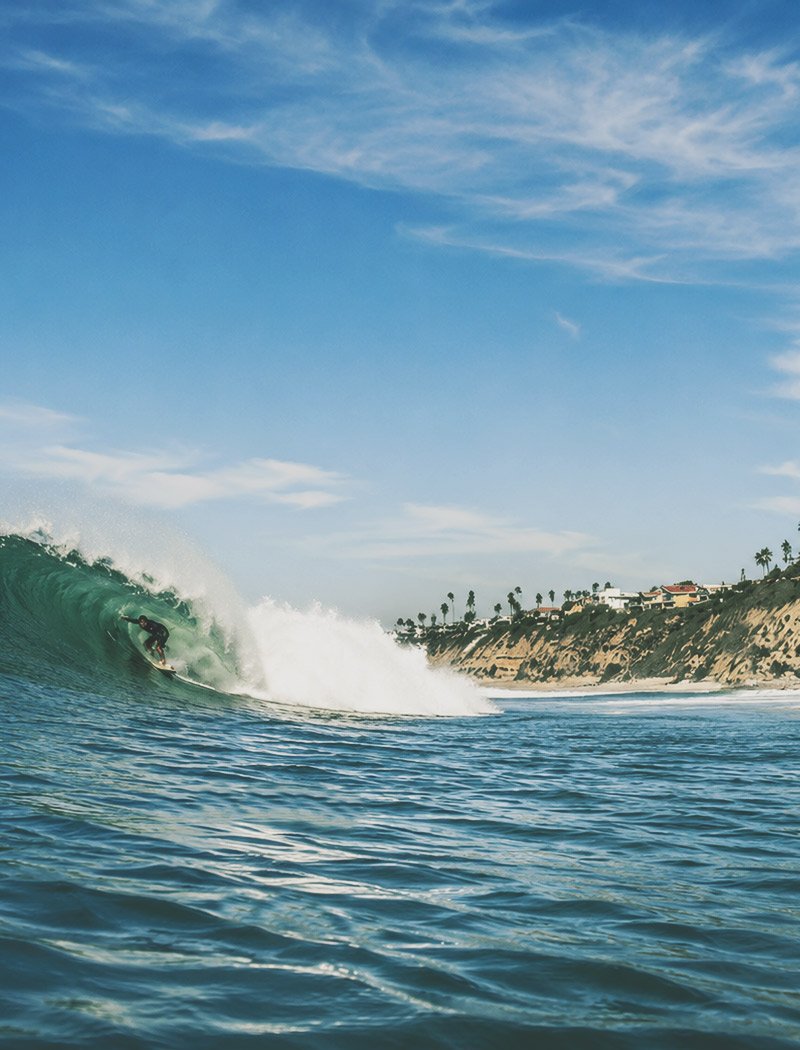
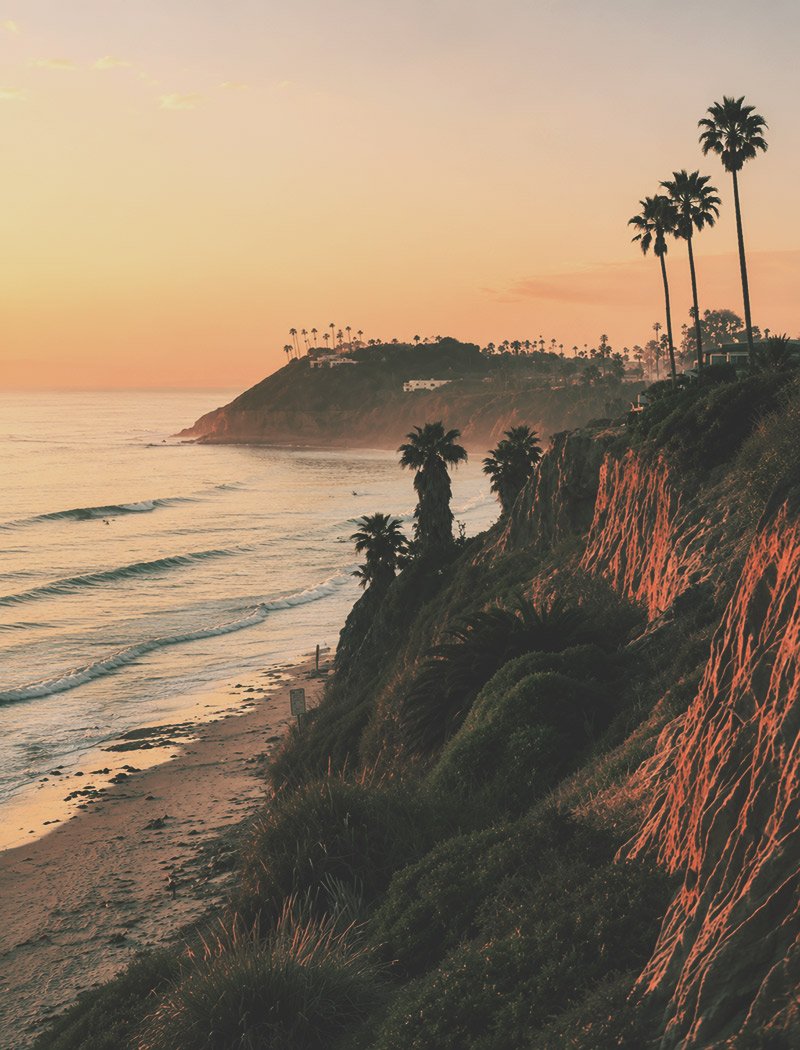
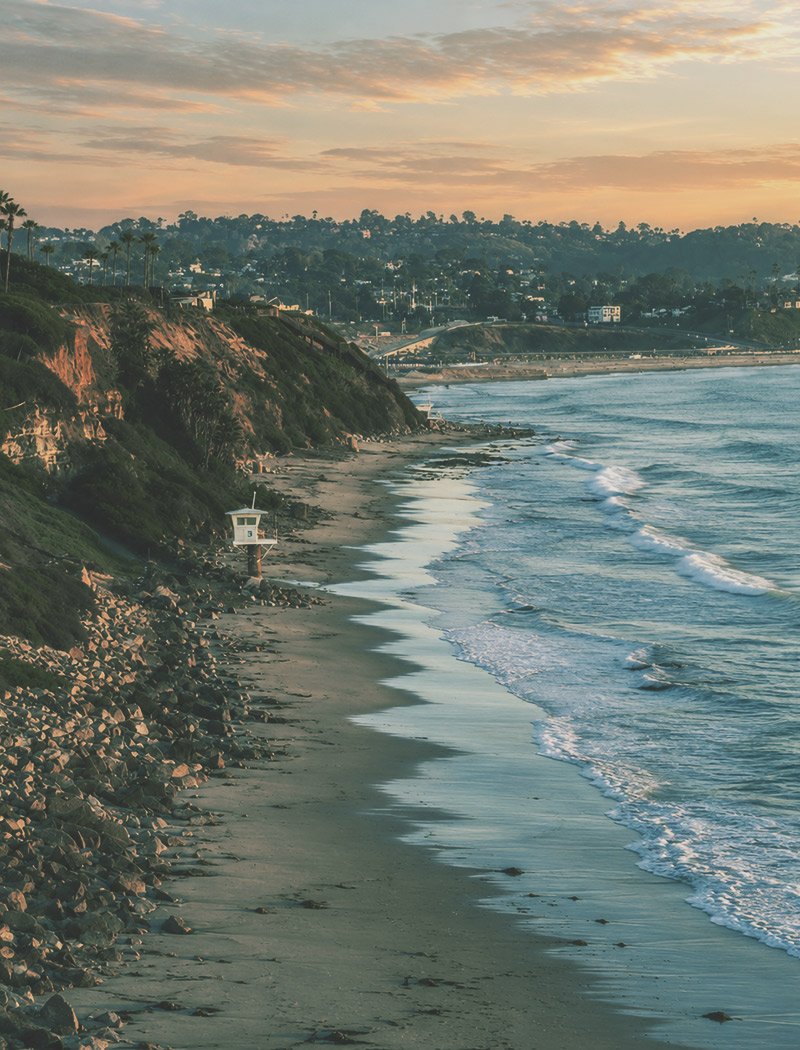
Living and working here in Southern California, the health of the
coast is something we see and feel every day. This project is our
way of staying invested in the places we care about. Our goal
is to focus on the long term, supporting conservation efforts
that actually move the needle rather than just checking a box.
We are thinking about the next generation and what kind of
coastline they are going to inherit. By keeping our contributions
focused and our output meaningful, we are trying to make sure
that the places we love stay resilient for the long haul. It is about
being part of the solution, even if it is just one project at a time.

our goods. lasting impact.
Our meaning of product is shaped by creativity, craftsmanship, and respect for the world around us.
To thoroughly and mindfully create artist-driven product inspired by the our oceans and intentional
living while operating with authenticity, environmental responsibility, and long-term purpose
To build a respected organization brand that proves creativity, craftsmanship, and business can grow
together without losing originality, authenticity, or responsibility to the people and environments that
inspire them.
We value authenticity, creativity, craftsmanship, environmental responsibility, thoughtful production,
and long-term thinking. We believe meaningful products and brands are built through originality,
restraint, and genuine human connection.
for students
learn about our student competitions and other school programs.
our DEPth program
learn about our design equity program.
your input
tell us something you think we should know.
committed
artists
artists
0
of sustainainable
artworks
artworks
0
s
donates to
ocean conservancy
ocean conservancy
0
%
based in
california
california
CA
of total ocean plastic
pollution is out of our control
pollution is out of our control
0
%
million tons of plastic
waste per year
leak into the ecosystem
waste per year
leak into the ecosystem
0
-23
marine mammals die
from ocean polution
from ocean polution
0
,000
trillion pieces floating
free in our water
free in our water
stop thinking about it
join us
Are you ready to help us turn tide and protect the waters that sustain us? Join our community
today and be part of the change we’re working to build together.